
Useful tips from a local, to know before visiting Sardinia.
By Simone Scalas
Some interesting tips to help you plan a better trip to Sardinia
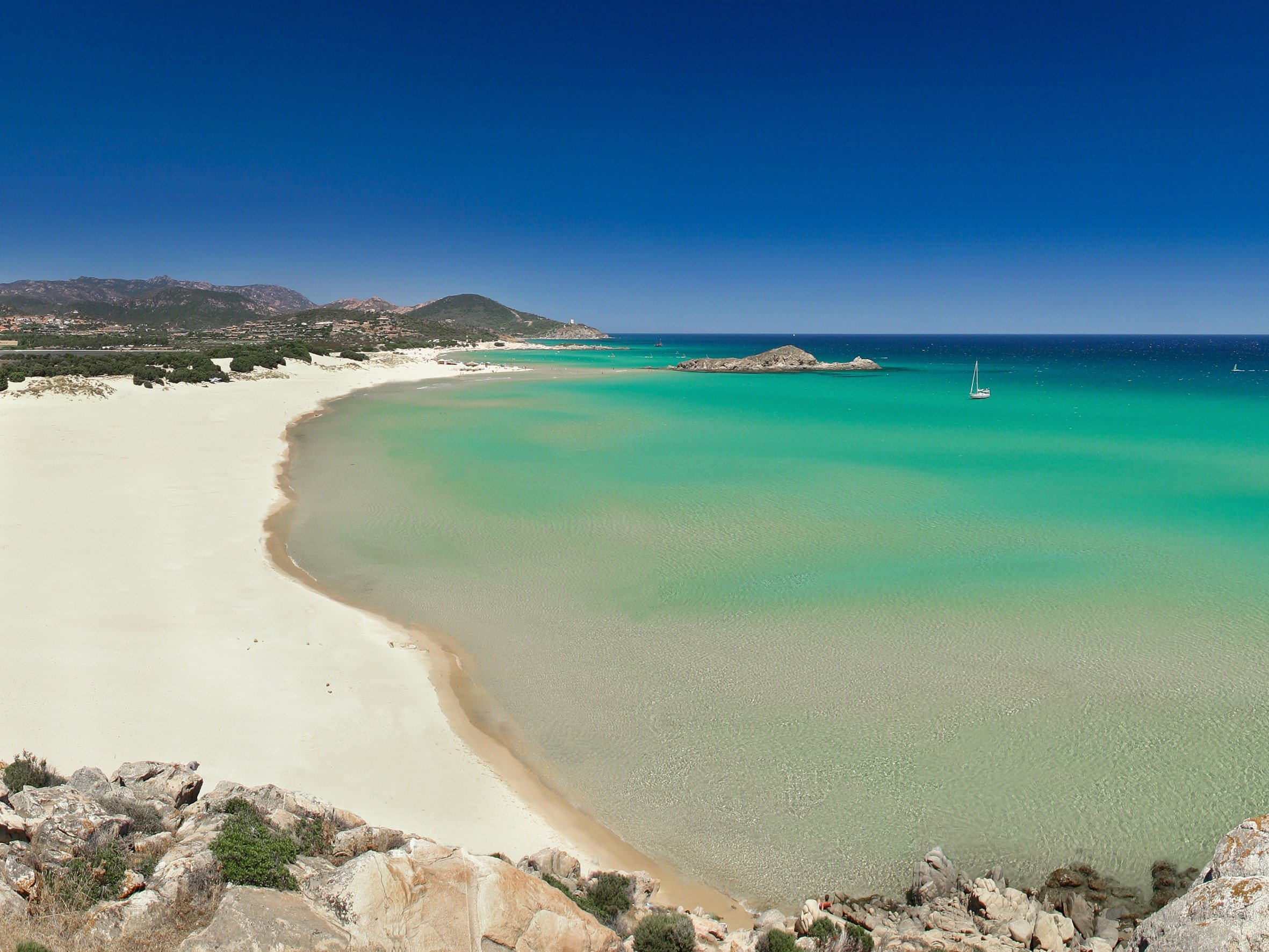
Su Giudeu Beach, Chia - Sardinia
Sardinia, Italy’s second-largest island after Sicily, sits like a jewel in the heart of the Mediterranean. For decades, it remained largely off the radar of international travellers, quietly preserving its landscapes, culture, and traditions.
Tourism has grown in the past ten years, but the majority of visitors are still Italians and Northern Europeans seeking sun-soaked beach holidays. Only recently has Sardinia begun to attract travellers from outside Europe — and even then, most stick to the famed Costa Smeralda, missing out on the rest of the island’s hidden treasures.
That’s where Sardinia’s true magic lies. With fewer crowds, locals have been able to preserve a lifestyle that feels authentic, unhurried, and deeply connected to the island’s incredible natural beauty. For those who venture beyond the typical tourist spots, Sardinia offers pristine beaches, untouched nature, world-class food, and warm, welcoming communities.
Because the island remains largely undiscovered by many international visitors, I’ve compiled this practical guide and cheat sheet for planning your Sardinian adventure.
I hope it helps you make the most of your trip!
More Sardinia travel info
For more advice on planning your trip to Sardinia, have a look at some other guides and itineraries!
Cycling Guide of Sardinia - Printable PDF
Meet Sardalia’s Local Expert
Sardinia: A land untamed and unique
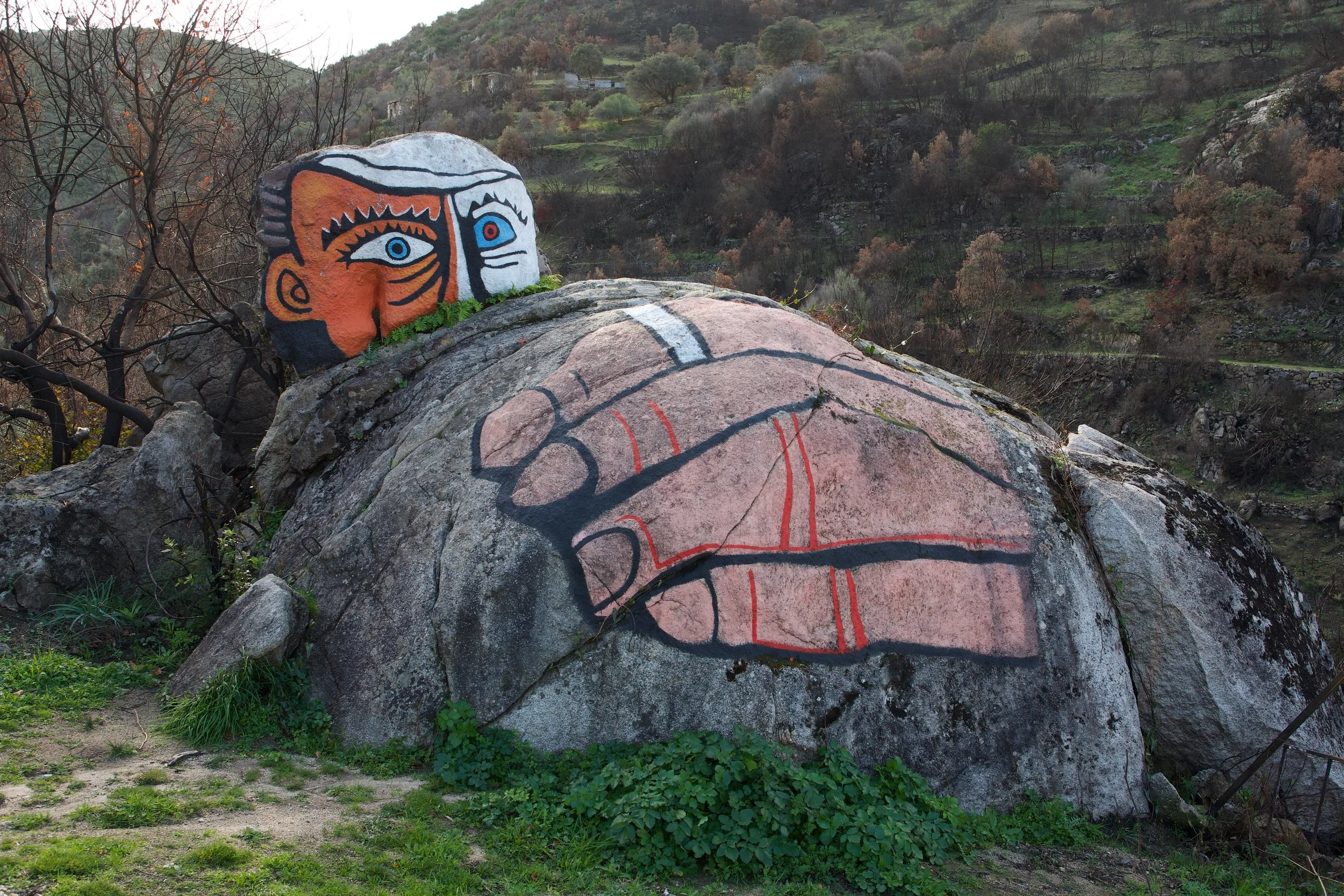
A Murale painted on a rock at the doors of the village of Mamoiada, Nuoro
Sardinia feels like a country of its own. Its history, culture, and identity are unlike anywhere else in Italy — and in many ways, unlike anywhere in Europe.
Surveys suggest that over half of the island’s population identify as Sardinian first, Italian second. While most Sardinians also feel Italian, this pride reflects something deeper: a long history of independence, isolation, and self-reliance.
Separated from the mainland and largely overlooked by rulers for centuries, Sardinia has charted its own path. The Romans were here, but only lightly, leaving much of the island to its own devices. The civilization most deeply woven into our identity — the Nuragic culture of the Bronze Age — remains mysterious even today, yet its stone towers still dot the landscape, silent witnesses to a thousand years of human ingenuity.
We even have our own language: Sardo, spoken by generations as a living link to our past.
With just 1.6 million people spread across a vast island, Sardinia has one of Europe’s lowest population densities. Most inhabitants live along the coast, leaving the interior free to breathe — mountains, forests, and plains stretch almost untouched. This combination of solitude, space, and centuries of limited contact with the outside world has shaped a culture that values resilience, independence, and deep connection to land and tradition.
Where much of Italy has become crowded over millennia, Sardinia offers room to roam, reflect, and explore — a rare blend of history, mystery, and openness that makes it unlike anywhere else in Europe.
What are the “Best Beaches” is a pointless question — they’re all incredible!
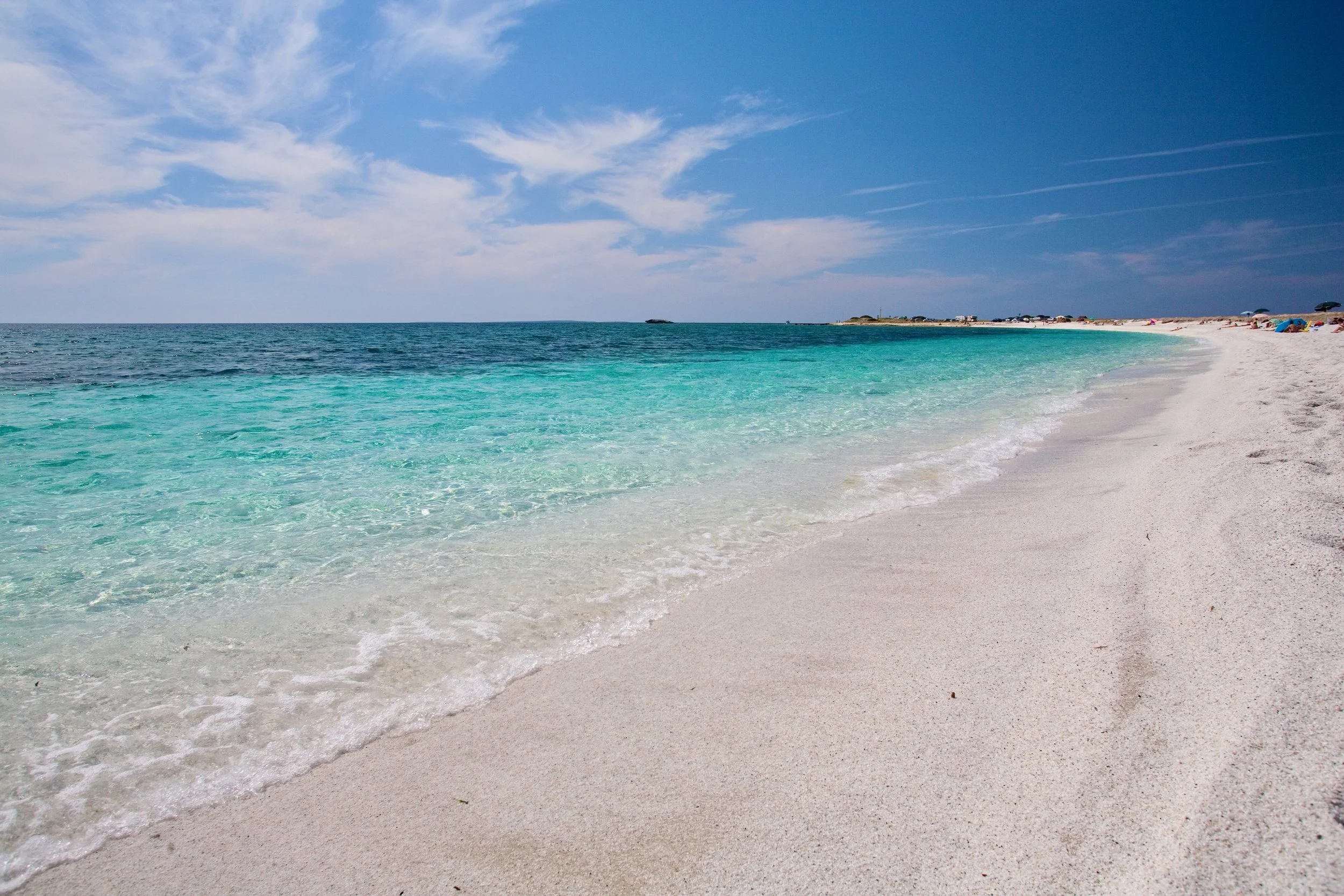
Spiaggia di Mari Ermi on the Sinis peninsula, Oristano
Sardinia is a place where every beach feels like the best beach you’ve ever seen — until you leave and discover another that outshines it. With over 1,800 km of coastline, the island offers everything from sweeping white-sand shores to secret coves, dramatic cliffs, natural pools, and dunes of pink, golden, and volcanic gray sand.
The variety comes not just from the sand, but the geology: beaches formed from limestone, multicolored pebbles, basalt, and glimmering quartz rocks. Some are accessible only by boat, others let you dive straight from cliffs into turquoise waters. The only challenge is deciding which one to visit first!
For those who still want a starting point, here are some of my favorites — grouped by region:
Southwest: Chia, Tuerredda, Porto Pino, Cala Domestica
Southeast: Cala Giunco, Costa Rei, Sarrala, Cea
Central West: Piscinas, Mari Ermi, S’Archittu
Central East: All the coves along the Gulf of Orosei and Baunei coast, Bidderosa, La Caletta
Northwest: La Pelosa, Rena Majore, Li Cossi
Northeast: La Maddalena Archipelago, Capriccioli, Cala Brandinchi, La Cinta
No matter which beach you choose, you’ll find yourself awestruck.
When to visit Sardinia
Fall (September–November): By far my favorite season. After mid-September, the crowds diminish, hotel rates drop, and the sea remains warm enough to swim well into November in most years. Fall is ideal for outdoor activities — hiking, cycling, climbing — with perfect temperatures and almost no rain. It’s also festival season: the Autunno in Barbagia celebrates local traditions, foods, and crafts across mountain towns.
Summer (June–mid-September): The classic beach season. Warm, sunny, and lively, but also the busiest and priciest time to visit. Crowds are concentrated in the Olbia/Costa Smeralda, Alghero, and southern Cagliari areas. If you love nightlife, peak sun, and the festive buzz of high season, summer is your moment — but expect higher costs and more visitors.
Spring (March–May): Sardinia blooms. Wildflowers carpet the hills, temperatures are perfect for exploring inland, and the crowds are virtually non-existent. Swimming is still chilly, but it’s a magical season for road trips, cycling, and hiking.
Winter (December–February): Low season means almost total solitude. Prices drop dramatically, and you’ll have beaches, hiking trails, and historic sites to yourself. The mountains can be cold and snowy, while the south remains mild — occasionally warm enough for a brisk swim. February brings the island’s ancient Carnival traditions, with evocative, pre-Christian celebrations in Mamoiada, Ottana, and Orotelli.
Language & local life
English: Widely spoken in cities and popular tourist spots like Cagliari, Alghero, Palau, Villasimius, and Cala Gonone. In smaller towns or rural areas, a translation app comes in handy.
Sardo: A distinct language spoken throughout Sardinia, especially in inland towns. Not a dialect, but a living cultural heritage.
Character: Sardinians are friendly and welcoming, but often quieter and more reserved than stereotypical southern Italians.
Getting around & travel logistics
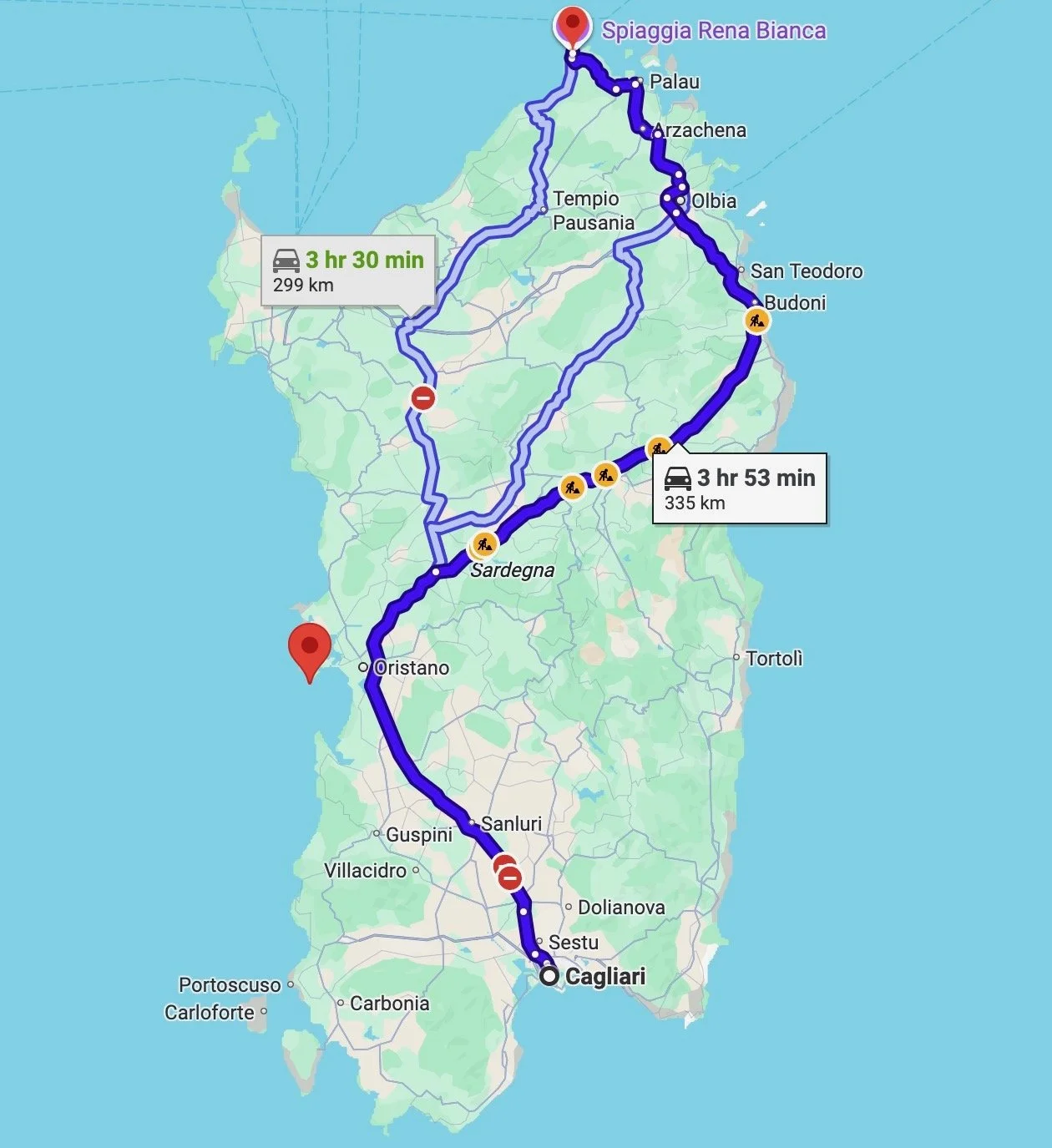
Sardinia from north to south - Santa Teresa to Cagliari
Size: Sardinia is massive. Driving from Santa Teresa di Gallura in the north to Chia in the south is over 380 km and can take almost 5 hours. Inland drives are slower, with winding mountain roads — but spectacular scenery makes every minute worth it.
Car rental is essential: Public transport will limit you to major towns and popular beaches. Renting a car gives freedom to explore hidden coves, mountain trails, and secret villages.
Time to explore: One week isn’t enough. Minimum 10 days is ideal, two weeks even better for a slow, immersive experience. Focus on one or two regions if your stay is short.
Enjoy the ride!
Sardinian experiences not to miss
Outdoor adventures: Hiking in the Supramonte mountains, trekking near Cala Gonone, or exploring Parco dei Sette Fratelli outside Cagliari.
Boat trips: Orosei Gulf, Teulada, and La Maddalena Archipelago offer unique sailing and boat experiences. Motorized dinghy rentals are affordable, fun, and don’t require a license.
Cultural immersion: Explore the Barbagia hinterland for traditional villages, festivals, and authentic local cuisine. Festivals like Autunno in Barbagia and the Mamoiada Carnival reveal Sardinia’s ancient traditions.
Historical sites: Bronze Age Nuragic monuments, Roman and Phoenician ruins at Tharros, Nora, Su Nuraxi di Barumini.
Food & drink: Beyond seafood, savour porceddu (suckling pig), artisan cheeses like pecorino sardo, cured meats, fresh pasta, and a variety of local wines — especially Cannonau and Vermentino.
Souvenirs: Handmade Sardinian knives and local wines are timeless keepsakes.
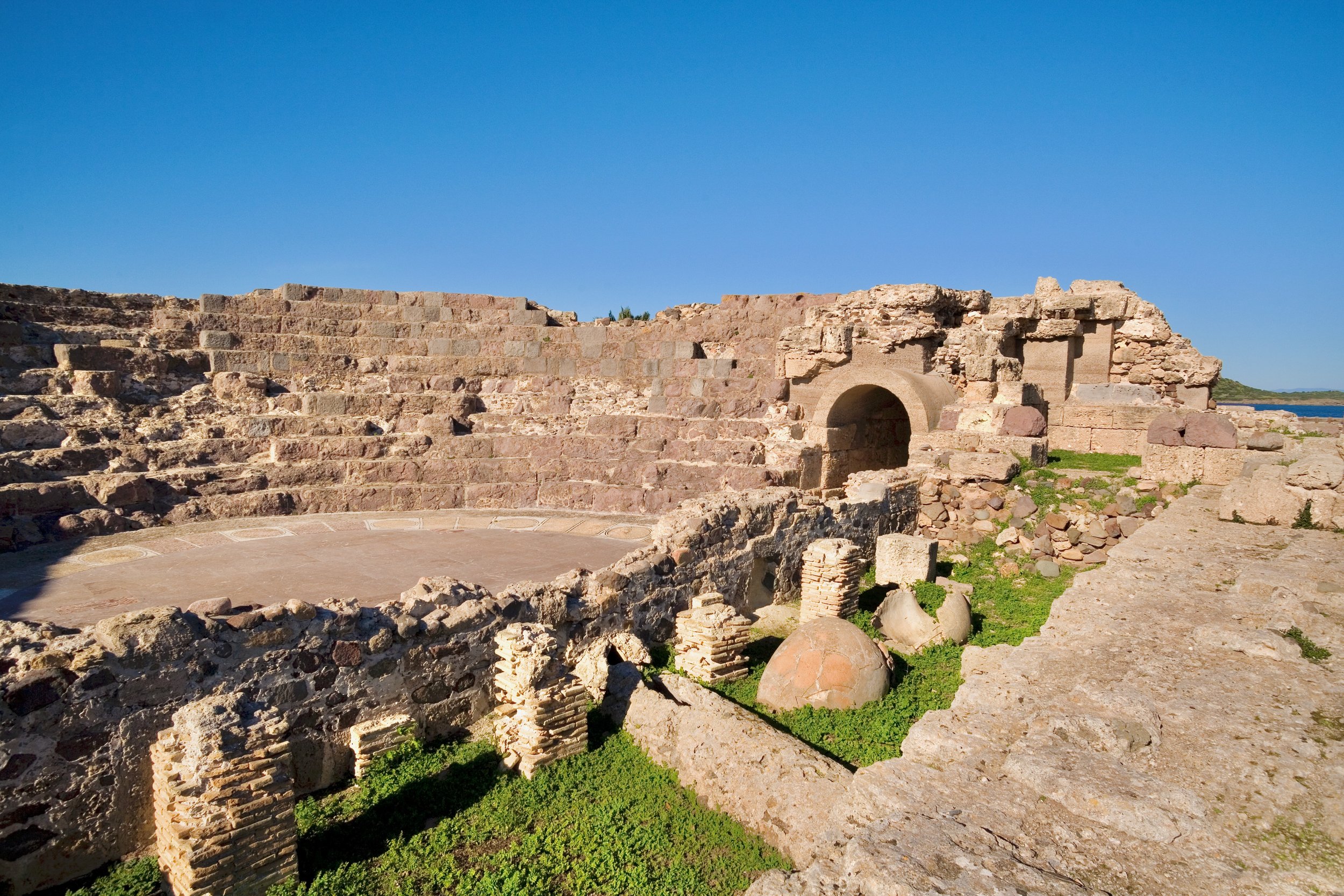
Nora, the ancient Roman archaeological site near Chia.
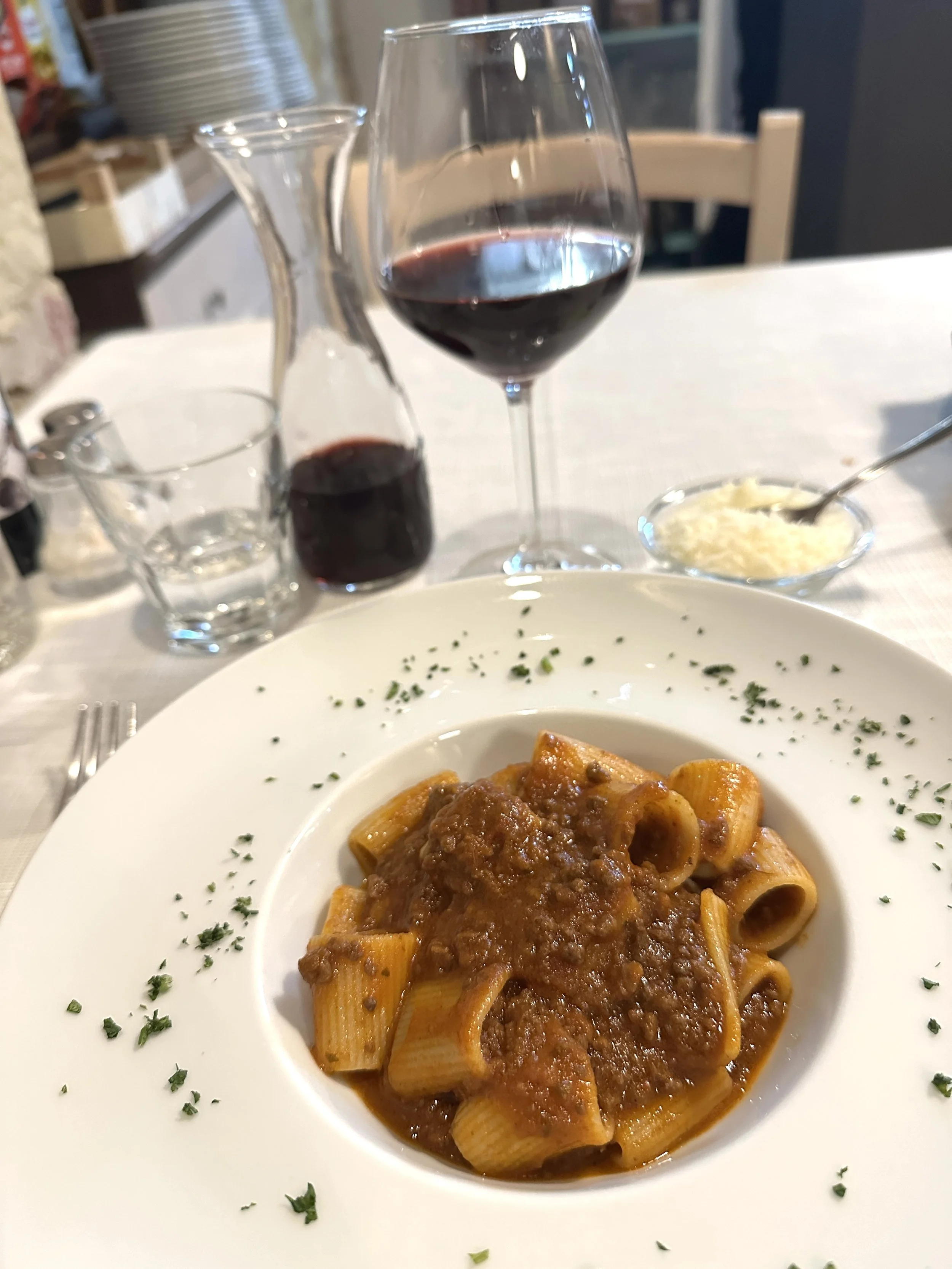
A delicious lamb ragu pasta dish.
Insider advice
The Costa Smeralda: Stunning beaches, yes, but overpriced and crowded. Visit in spring or late fall for the best experience.
Hidden gems: Sardinia is full of secret spots beyond tourist maps. Respecting the locals’ desire to keep some places special ensures an authentic visit.
Swimming season: May through November (even December in the south) — far longer than most expect.
Budget: Sardinia is not cheap, but inland stays, agriturismos, and local eateries offer excellent value.
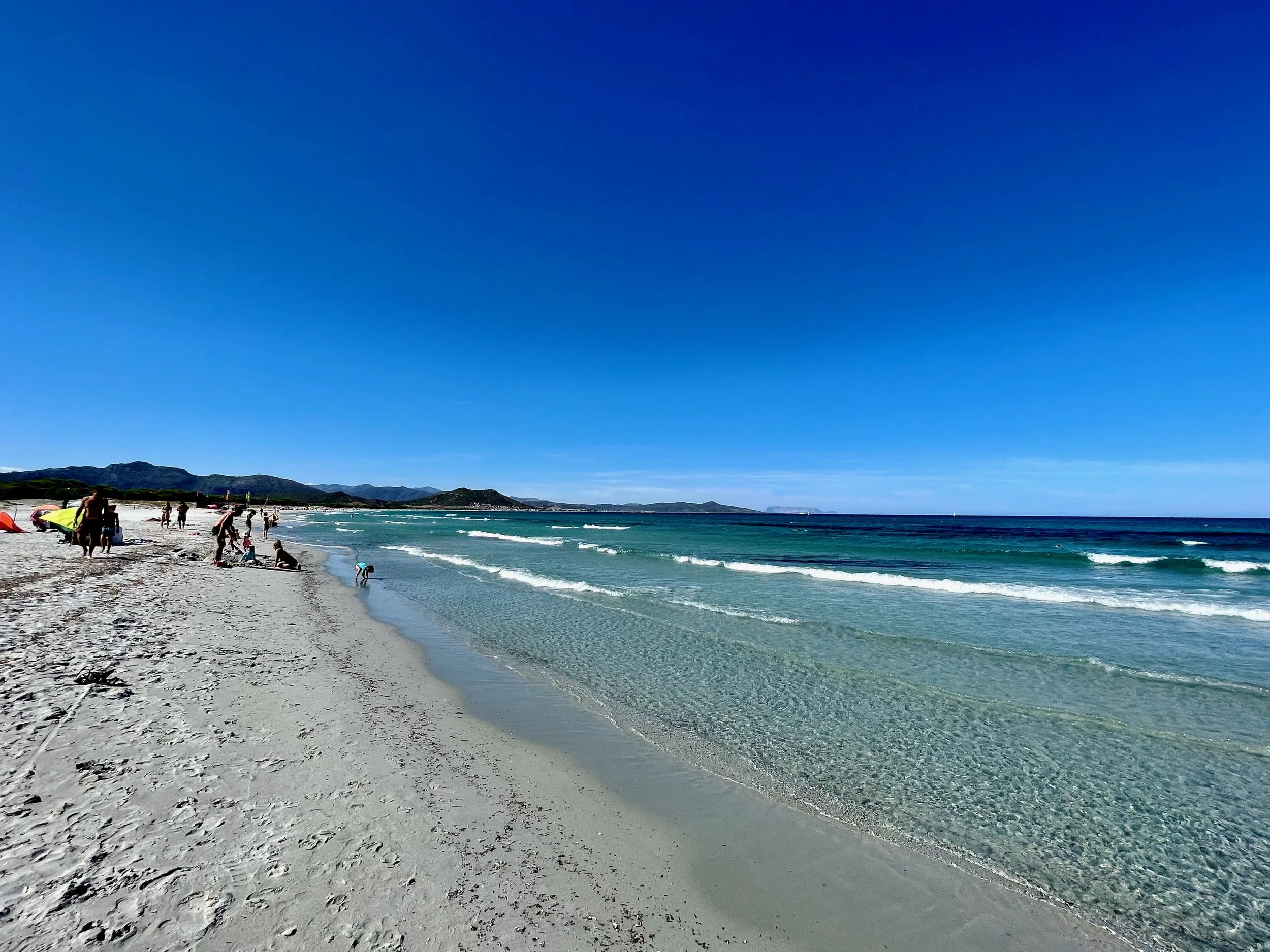
Sa Petra Ruja beach empty in October
Cagliari is definitely worth a visit
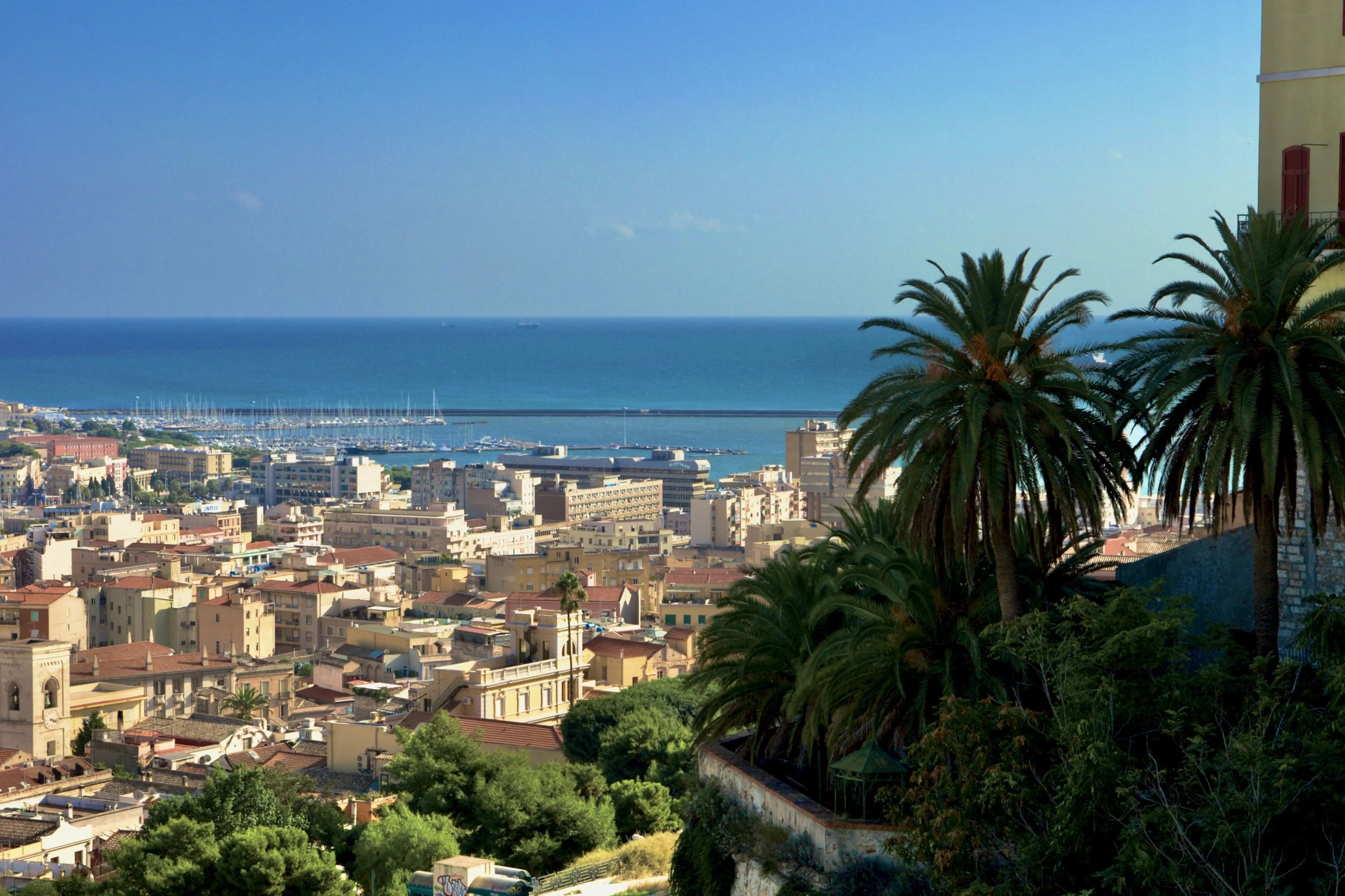
Downtown Cagliari seen from the Castello district
While Sardinia is famed for its beaches and wild landscapes, its cities are often overlooked — yet some, like Cagliari, are well worth a day (or more) of your time.
Cagliari, the island’s vibrant capital, was once seen merely as a gateway for travellers arriving or departing. Today, however, it has begun to shine as a destination in its own right. Charming streets, a lively culinary scene, and a stunning city beach make it a delight to explore. Its compact size and coastal location also provide convenient access to the surrounding south Sardinian coast, making it an ideal base for visitors without a car.
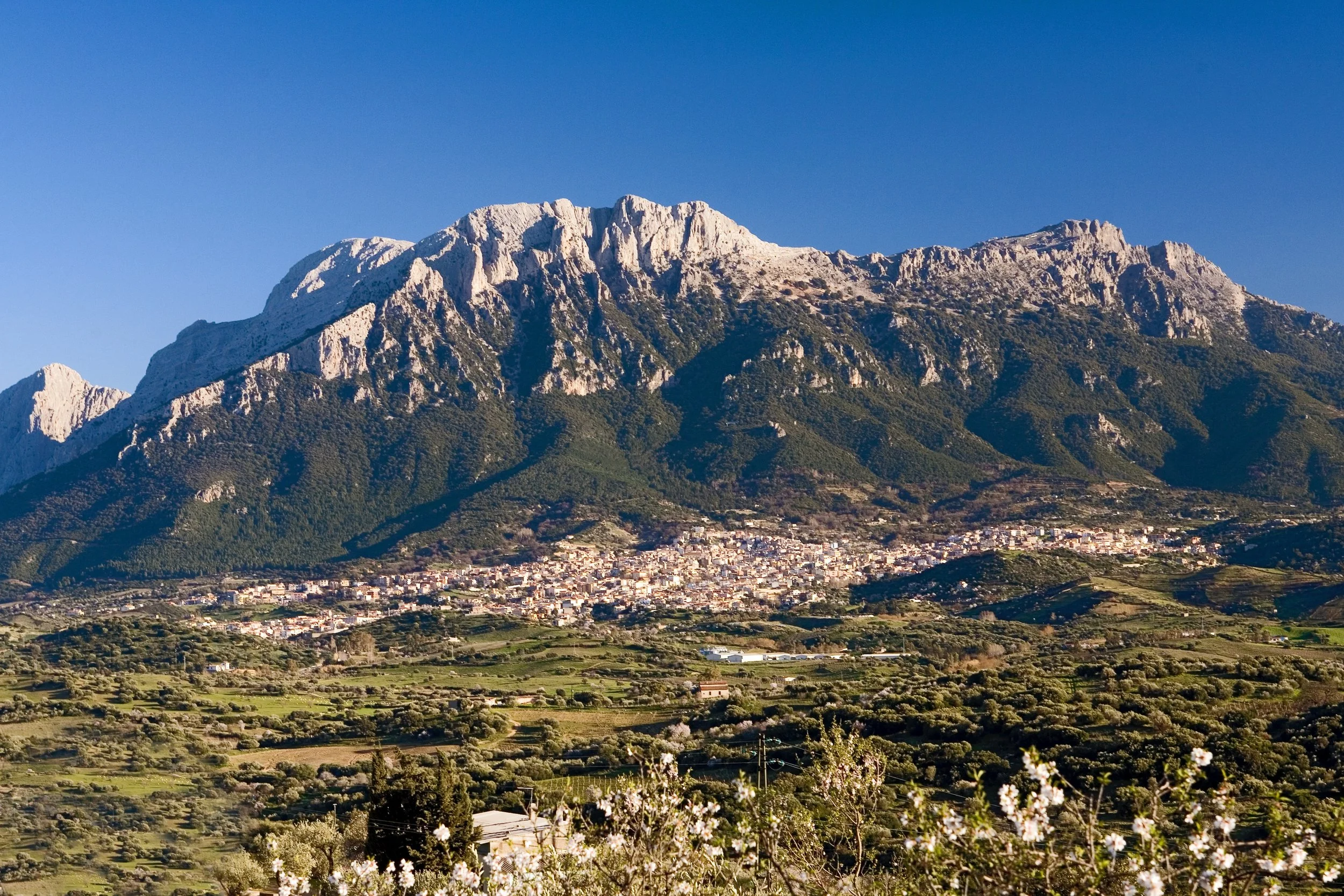
The rural town of Oliena, at the feet of Mount Corrasi
While the coastline gets all the attention, the sparsely populated interior is a bastion of traditional culture, and the Barbagia region is its epicenter. In this hinterland, lonely and silent mountains guard the secrets of Sardinia, from our Bronze Age ancestors right up to modern day.
This is the region where you are most likely to hear “Sardo” (the local language) being used in regular conversation, many of our traditional dishes came from here, and it’s the ideal place for traditional festivals.
If you’re here in fall, be sure to look up the program for Autunno in Barbagia when for a few months lots of little towns host different festivities.
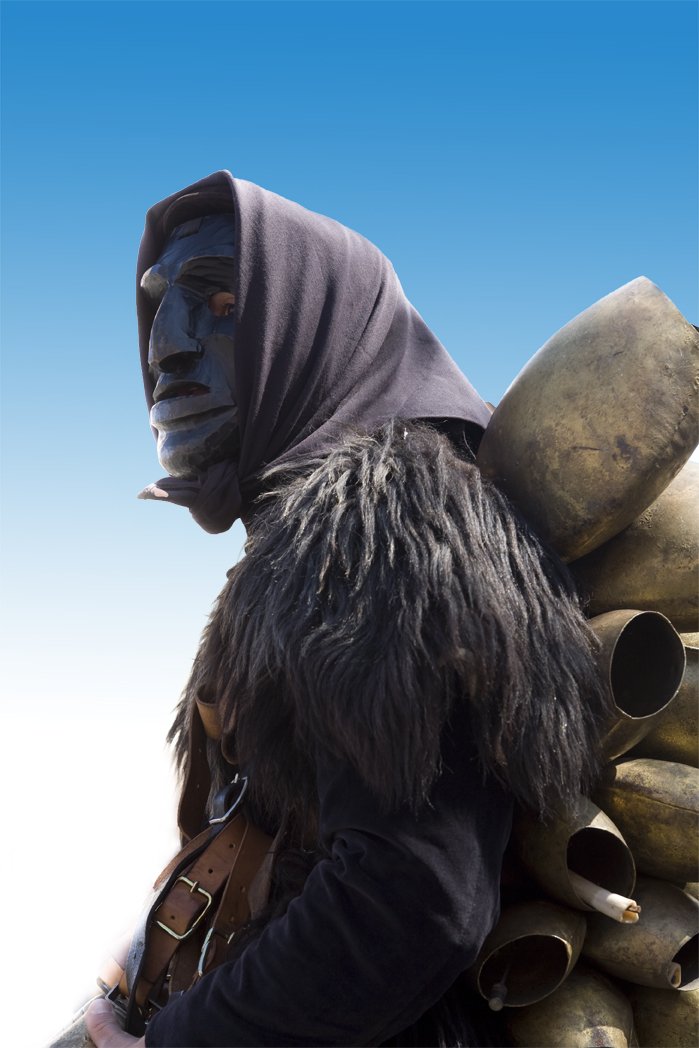
“Mamuthones” figure from Mamoaida carnival
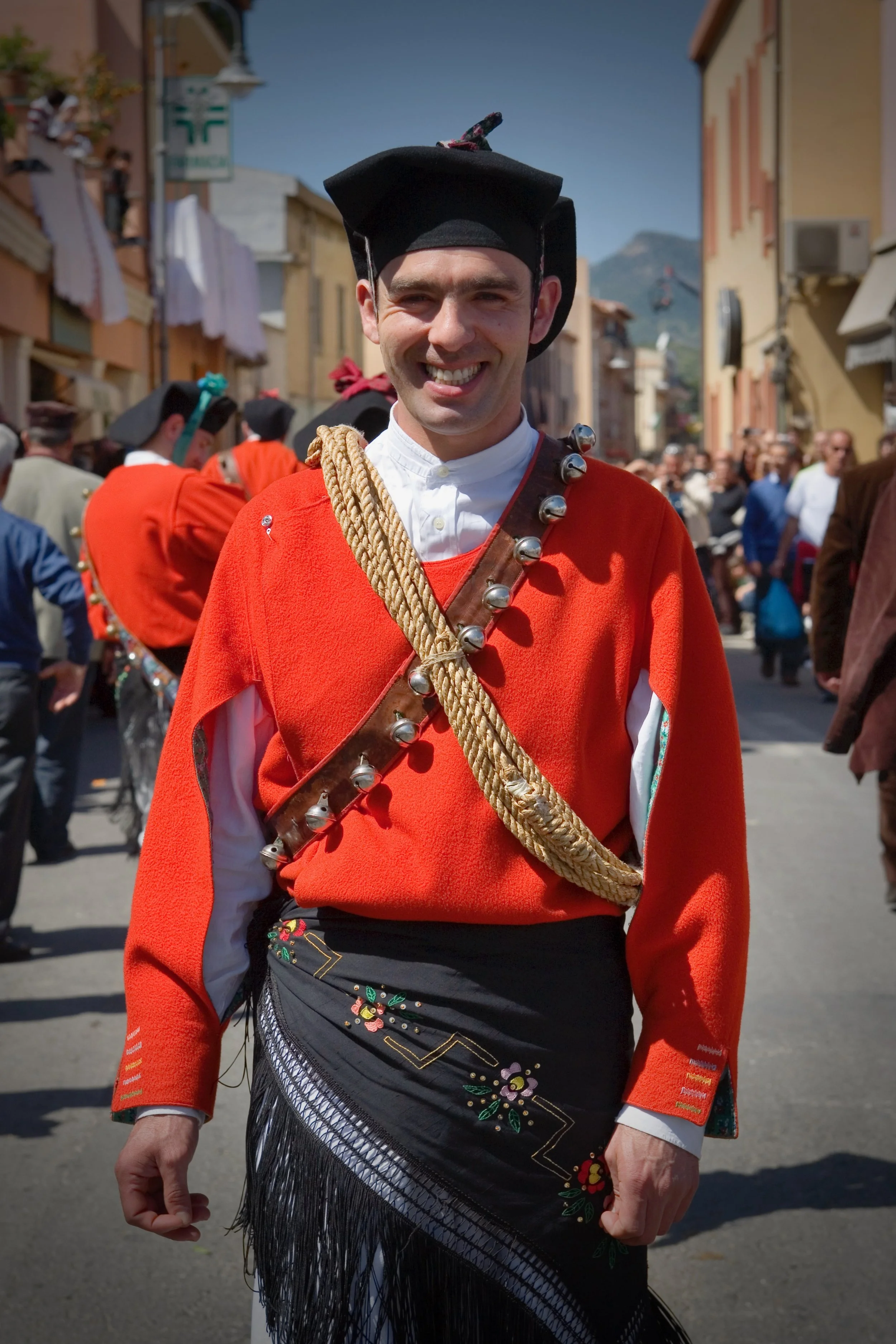
A Issohadore, from the Mamoiada carnival
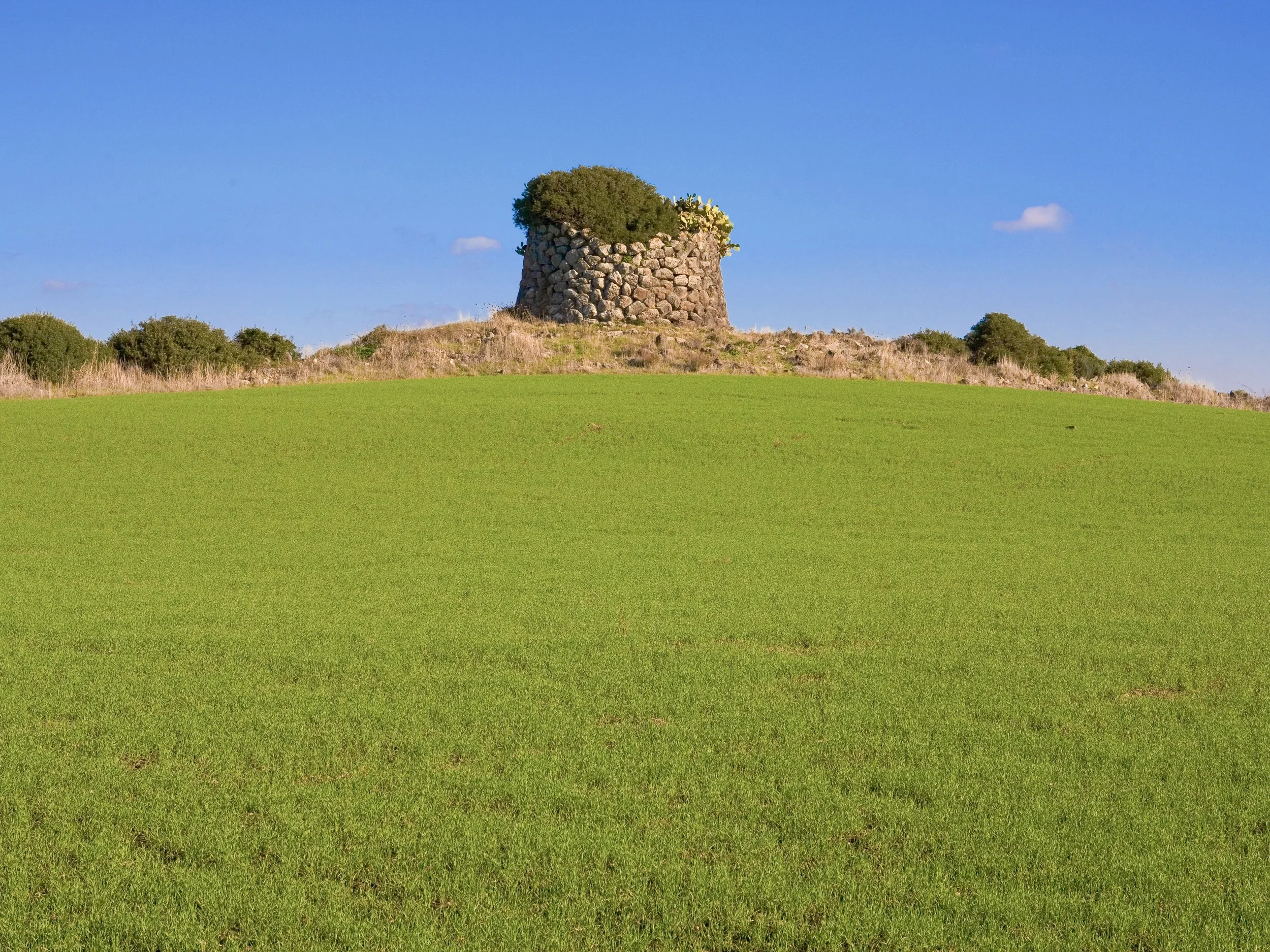
A Bronze Age nuraghe structure in the outskirts of the rural town of Villaurbana
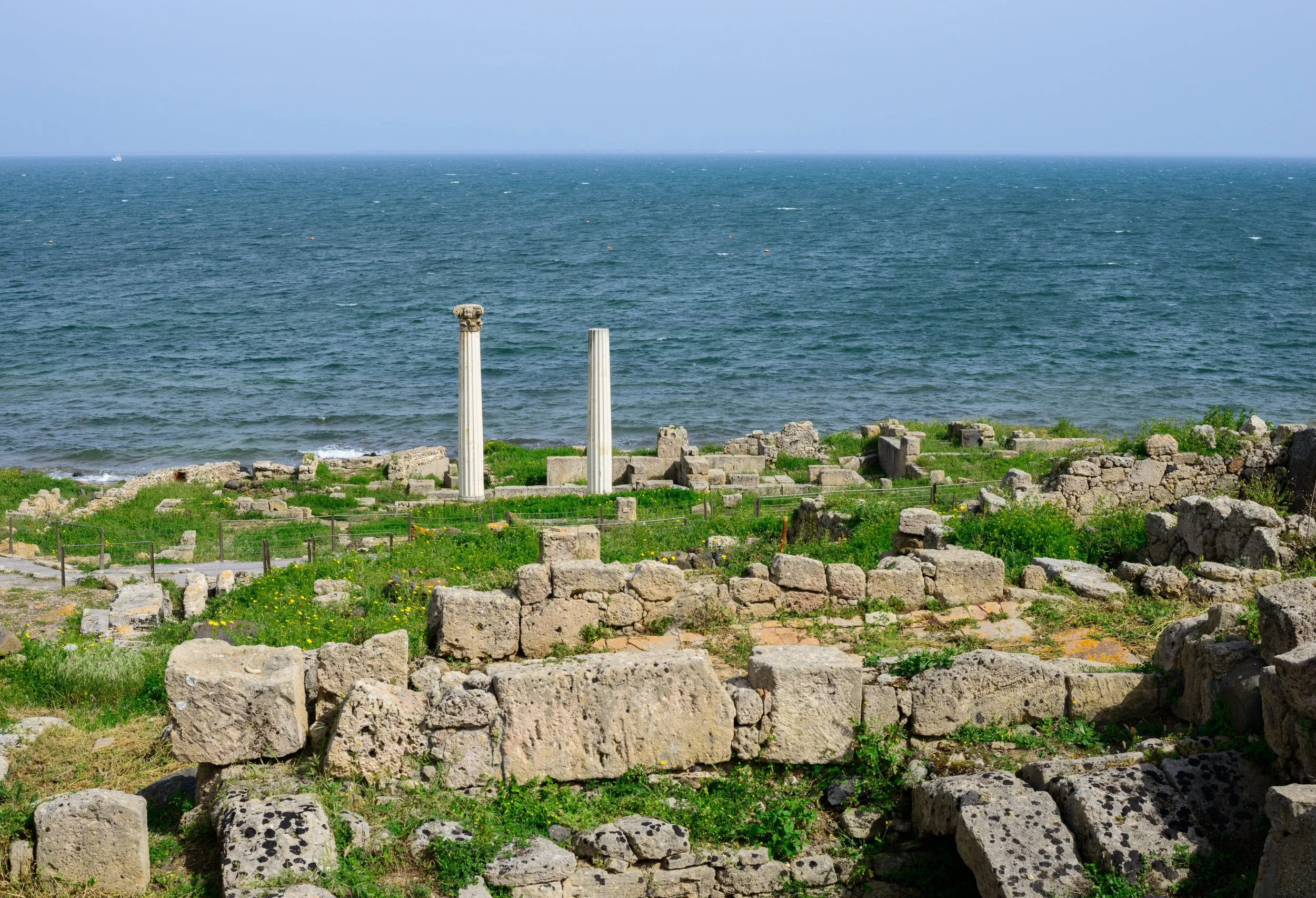
Tharros archeological site on the Sinis peninsula. Photo: Norbert Nagel, CC BY-SA 3.0, via Wikimedia Commons.
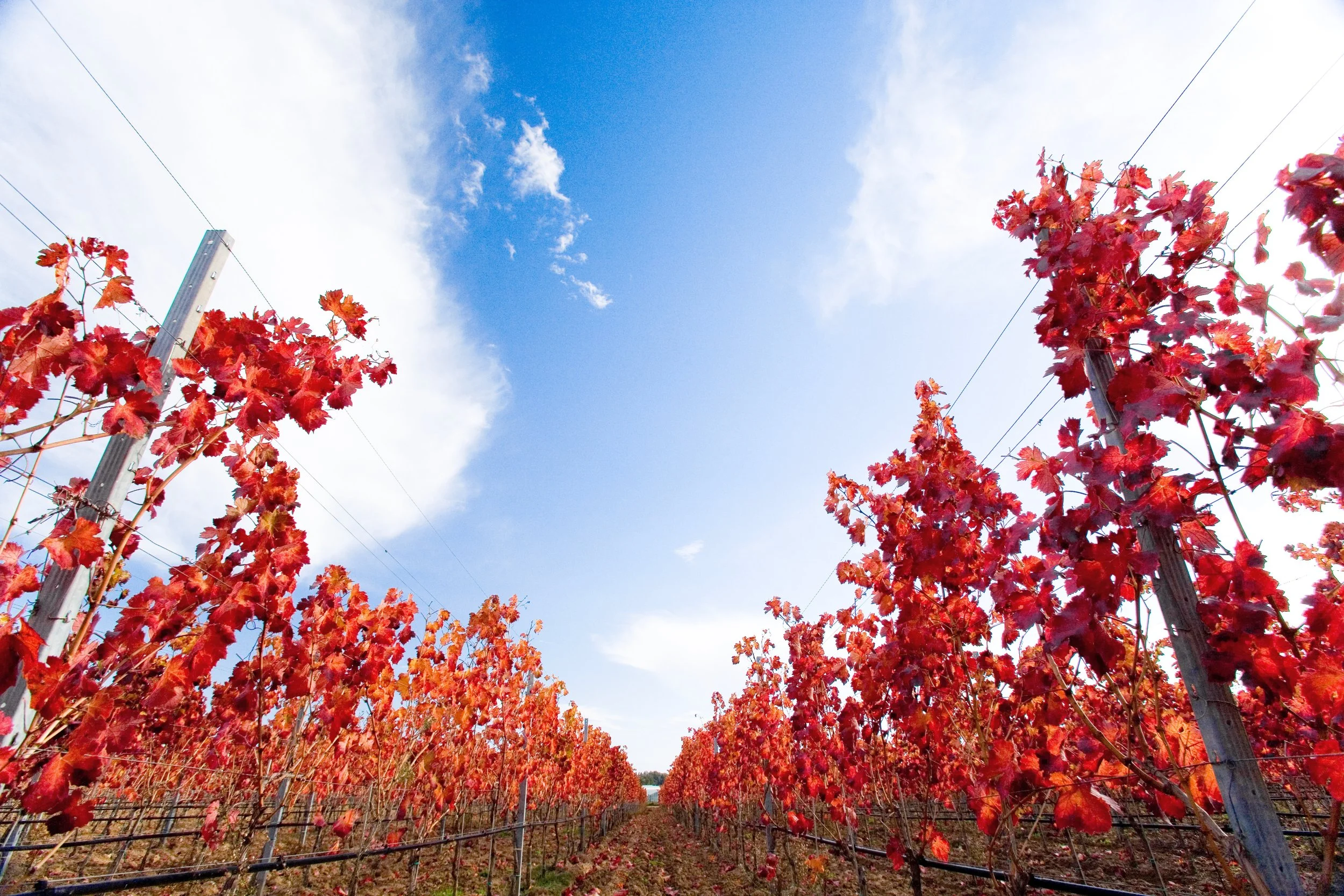

Autumn vines growing in the countryside near to Santa margherita di Pula
Meet our Local Expert: Simone
Based in the heart of Sardinia, Simone is a seasoned local guide and Mediterranean travel specialist whose expertise spans far beyond the island itself. With years of experience designing bespoke journeys, he brings a rare combination of insider knowledge, cultural insight, and a deep love for Sardinia to every itinerary he crafts.
Simone’s passion lies in uncovering the soul of Sardinia — from its untouched beaches and dramatic landscapes to its rich culinary traditions and world-class wines. He thrives on connecting travellers with the island’s people, introducing them to artisans, shepherds, winemakers, and chefs, and revealing hidden corners that often go unnoticed by the casual visitor.
Whether it’s a quiet mountain village, a secret cove along the coast, or a centuries-old festival, Simone’s intimate knowledge ensures every journey is authentic, immersive, and unforgettable. For him, Sardinia is more than a destination — it’s a way of life, and he delights in sharing it with those seeking genuine experiences, whether for adventure, slow travel, or luxurious discovery.